Mastering Last-Mile Delivery: The Ultimate Guide
Welcome to our comprehensive guide on mastering last-mile delivery, a critical aspect of modern supply chain management. In today's fast-paced business environment, the final leg of the delivery process - from the distribution center to the customer's doorstep - plays a pivotal role in shaping overall customer experience and brand reputation. In this article, we delve into why last-mile delivery is more important than ever and explore strategies to optimize this crucial stage for greater efficiency and heightened customer satisfaction. Get ready to explore a range of topics, from overcoming challenges in last-mile delivery to leveraging cutting-edge technology for seamless operations. We will also discuss sustainable practices that can pave the way for a greener future in logistics. Whether you're a logistics professional seeking insights or a business owner looking to enhance your delivery services, this guide is your roadmap to mastering last-mile delivery and staying ahead in today's competitive market

Understanding the Importance of Last-Mile Delivery in Today's Business Landscape
Today, businesses operate in a fast-paced and highly competitive landscape where customer expectations continue to rise. One crucial aspect of this landscape is the last-mile delivery, the final leg of the supply chain where products are transported from a distribution center to the end customer. Mastering last-mile delivery has become a key focus for businesses aiming to enhance customer satisfaction, optimize operational efficiency, and gain a competitive edge in the market. Last-mile delivery holds significant importance in today's business environment due to several factors. Firstly, it directly impacts customer satisfaction and retention. In an era where convenience and speed are paramount, customers expect timely and hassle-free deliveries. A seamless last-mile delivery experience can result in satisfied customers who are more likely to return for future purchases and recommend the brand to others. Moreover, efficient last-mile delivery plays a crucial role in enhancing operational efficiency and reducing costs. By optimizing delivery routes, utilizing advanced technology such as route optimization software and GPS tracking, and leveraging data analytics to predict demand patterns, businesses can streamline their delivery processes, minimize delays, and reduce expenses associated with failed deliveries or returns. In addition to customer satisfaction and operational efficiency, last-mile delivery also has a significant impact on sustainability and environmental conservation. With the growing concern for the environment, businesses are under increasing pressure to adopt eco-friendly delivery practices. Optimizing last-mile delivery can help reduce carbon emissions, congestion, and overall environmental impact, thereby contributing to a more sustainable business model. Furthermore, in today's competitive business landscape, offering fast and reliable last-mile delivery can serve as a unique selling point for businesses. Customers are more likely to choose a brand that provides expedited delivery options, flexible delivery time slots, real-time tracking, and hassle-free returns. By mastering last-mile delivery, businesses can differentiate themselves from competitors and attract more customers in a crowded market. In conclusion, understanding the importance of last-mile delivery in today's business landscape is essential for organizations looking to stay ahead in the market. By prioritizing customer satisfaction, operational efficiency, sustainability, and competitiveness, businesses can enhance their last-mile delivery strategies, meet evolving customer expectations, and drive growth in the digital age
Strategies to Optimize Last-Mile Delivery for Efficiency and Customer Satisfaction
In the realm of last-mile delivery, optimizing strategies can make all the difference when it comes to achieving efficiency and maximizing customer satisfaction. This final stretch of the delivery process is where the customer interaction occurs, making it a critical touchpoint for businesses. By mastering last-mile delivery, companies can streamline operations, reduce costs, and enhance the overall customer experience. One key strategy to consider is route optimization. By utilizing technology such as route planning software, companies can create the most efficient delivery routes that take into account factors like traffic patterns, delivery windows, and package sizes. Optimizing routes not only saves time and fuel costs but also ensures that packages reach customers in a timely manner. Another crucial aspect of mastering last-mile delivery is real-time tracking and communication. Providing customers with the ability to track their deliveries in real-time not only enhances transparency but also enables them to plan around the delivery. Additionally, proactive communication regarding delivery updates or delays can help manage customer expectations and prevent dissatisfaction. To further optimize last-mile delivery, businesses can explore alternative delivery methods such as lockers, pickup points, or same-day delivery options. Offering customers flexibility in delivery choices can lead to increased satisfaction and loyalty. Furthermore, partnerships with local delivery providers or crowdsourced delivery services can help expand delivery capabilities and reach more customers efficiently. In conclusion, mastering last-mile delivery requires a holistic approach that focuses on enhancing efficiency and customer satisfaction. By implementing strategies such as route optimization, real-time tracking, and alternative delivery methods, businesses can set themselves apart in a competitive market landscape and build strong relationships with their customers through exceptional delivery experiences
Overcoming Challenges in Last-Mile Delivery: Solutions and Best Practices
Last-mile delivery, the final leg of the supply chain where goods are transported from a distribution center to the end customer, presents a myriad of challenges for businesses looking to provide efficient and reliable service. From traffic congestion and limited delivery windows to rising customer expectations for fast and transparent deliveries, last-mile delivery can often be a logistical nightmare if not managed effectively. However, by implementing strategic solutions and best practices, businesses can overcome these challenges and optimize their last-mile delivery operations. One of the key challenges in last-mile delivery is the issue of traffic congestion, especially in urban areas. To address this challenge, businesses can leverage route optimization software and real-time traffic data to plan the most efficient delivery routes. By optimizing routes based on traffic conditions and other variables such as delivery windows and package size, businesses can reduce delivery times and costs while improving overall customer satisfaction. Another common challenge in last-mile delivery is the need for increased flexibility to meet customer demands for fast and convenient deliveries. To tackle this challenge, businesses can explore alternative delivery options such as locker pickups, click-and-collect services, and same-day delivery. Offering customers a range of delivery choices not only enhances convenience but also reduces the burden on traditional delivery networks, leading to a more efficient and cost-effective last-mile operation. In addition to external challenges, businesses also face internal obstacles such as inventory management issues and inefficient order fulfillment processes. By implementing advanced inventory tracking systems and integrating warehouse management software with delivery systems, businesses can optimize inventory levels and streamline order fulfillment, leading to faster and more accurate deliveries. Investing in technology and automation can significantly improve the efficiency and reliability of last-mile delivery operations. Moreover, customer communication and transparency are crucial components of a successful last-mile delivery strategy. Providing customers with real-time tracking updates, delivery notifications, and options to reschedule deliveries not only enhances the overall customer experience but also reduces the likelihood of delivery issues such as missed or failed deliveries. By keeping customers informed and empowered throughout the delivery process, businesses can build trust and loyalty while minimizing the risk of costly delivery failures. In conclusion, mastering last-mile delivery requires a combination of strategic solutions and best practices to overcome the inherent challenges of the final leg of the supply chain. By addressing issues such as traffic congestion, customer demands, inventory management, and communication, businesses can create a seamless and efficient last-mile delivery operation that meets the needs of both customers and stakeholders. With the right tools and strategies in place, businesses can optimize their last-mile delivery processes and gain a competitive edge in today's fast-paced e-commerce landscape
Leveraging Technology to Enhance Last-Mile Delivery Operations
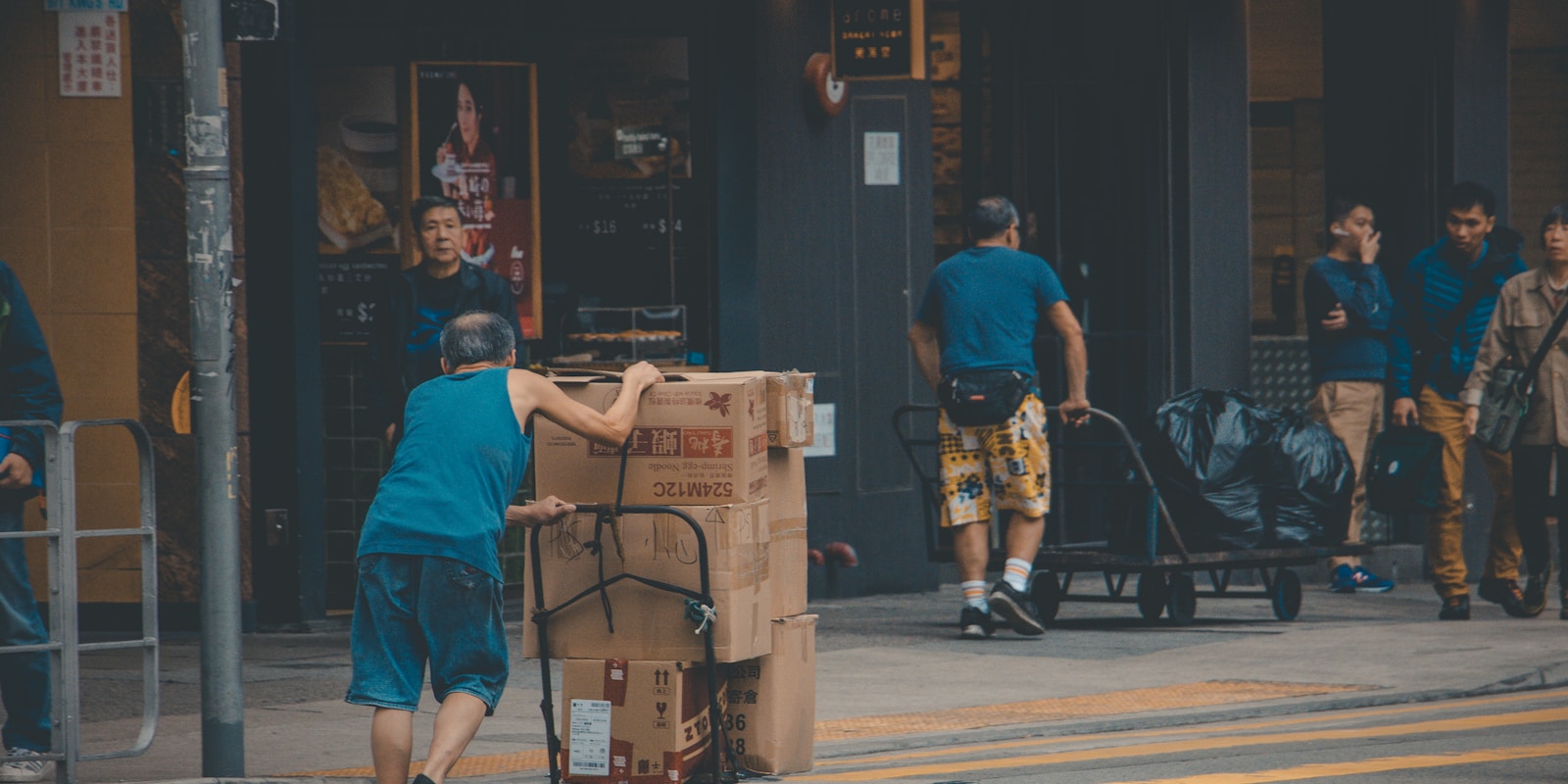
In today's fast-paced e-commerce landscape, last-mile delivery has become a critical component of the supply chain. This final stretch of the delivery process, from a distribution center to the end customer's doorstep, is often the most challenging and expensive part of the entire journey. Businesses are constantly seeking ways to streamline and optimize last-mile delivery operations to improve efficiency, reduce costs, and enhance customer satisfaction. Technology plays a pivotal role in transforming last-mile delivery operations. By leveraging cutting-edge tools and software solutions, businesses can address key challenges such as route optimization, real-time tracking, delivery scheduling, and customer communication. One of the most significant advancements in last-mile delivery technology is the use of route optimization software, which helps drivers find the most efficient routes to multiple destinations, reducing fuel consumption and delivery times. Real-time tracking systems allow customers to track their orders in real-time, providing them with visibility and transparency throughout the delivery process. This not only improves the overall customer experience but also helps reduce customer inquiries and support calls. Delivery scheduling software enables businesses to offer flexible delivery options to customers, such as same-day or next-day delivery, time slot selection, and delivery notifications. Moreover, technology enables businesses to collect and analyze valuable data related to last-mile delivery operations. This data can be used to identify trends, optimize delivery routes, predict peak times, and make informed decisions to improve overall efficiency. By harnessing the power of data analytics, businesses can gain valuable insights that drive continuous improvement in their last-mile delivery strategies. In conclusion, the integration of technology into last-mile delivery operations is essential for businesses looking to stay competitive in today's market. By embracing innovative solutions and leveraging the power of technology, companies can enhance their operational efficiency, reduce costs, and deliver superior customer experiences
Green Initiatives in Last-Mile Delivery for Environmental Sustainability
In the realm of last-mile delivery, incorporating green initiatives is crucial for ensuring environmental sustainability and reducing the carbon footprint of logistics operations. As the final and often most resource-intensive leg of the delivery process, last-mile delivery presents a significant opportunity for innovative environmentally friendly solutions that benefit not only businesses but also the planet. One of the primary green initiatives being adopted in last-mile delivery is the integration of electric vehicles (EVs) and alternative fuel-powered vehicles into fleets. By utilizing vehicles that produce lower emissions or run entirely on renewable energy sources, companies can significantly reduce their environmental impact during the crucial last-mile phase. Not only do EVs help cut down on greenhouse gas emissions, but they also contribute to lower operating costs and reduced dependency on fossil fuels in the long run. In addition to vehicle electrification, optimizing delivery routes using smart technology plays a vital role in reducing emissions and improving efficiency in last-mile delivery. By leveraging route optimization software, companies can minimize unnecessary stops, decrease mileage, and ultimately reduce fuel consumption. This not only benefits the environment but also leads to cost savings and faster delivery times, enhancing overall customer satisfaction. Another key aspect of green initiatives in last-mile delivery is the exploration of sustainable packaging solutions. From utilizing recyclable materials to designing packages that are more space-efficient, there are various strategies that companies can employ to reduce waste and minimize the environmental impact of packaging materials. By implementing eco-friendly packaging practices, businesses can not only lessen their carbon footprint but also appeal to eco-conscious consumers who prioritize sustainability. Moreover, the concept of micro-fulfillment centers located in urban areas is gaining traction as a means to streamline last-mile delivery while minimizing emissions. These smaller, strategically placed fulfillment centers enable quicker order processing and shorter delivery distances, leading to reduced fuel consumption and lower emissions. By decentralizing inventory and bringing fulfillment closer to customers, companies can achieve faster deliveries while also contributing to environmental sustainability efforts. In conclusion, incorporating green initiatives in last-mile delivery is essential for promoting environmental sustainability and reducing the ecological impact of logistics operations. By embracing technologies like electric vehicles, optimizing delivery routes, implementing sustainable packaging practices, and exploring innovative fulfillment strategies, businesses can not only improve their bottom line but also contribute to a healthier planet for future generations
Conclusion
In conclusion, mastering last-mile delivery is essential for modern supply chain management. From understanding its critical role in shaping customer experience and brand reputation to implementing strategies for optimization, this guide has covered the key aspects of last-mile delivery. We explored how overcoming challenges, adopting cutting-edge technology, and embracing sustainable practices can lead to greater efficiency and heightened customer satisfaction. By prioritizing last-mile delivery and staying informed about the latest trends and best practices, logistics professionals and business owners alike can thrive in today's competitive market and pave the way for a greener future in logistics. Remember, excellence in last-mile delivery is not just a goal; it's a strategic imperative for success in the evolving business landscape